Chicken Soup: A Font That Warms Up Your Design Projects
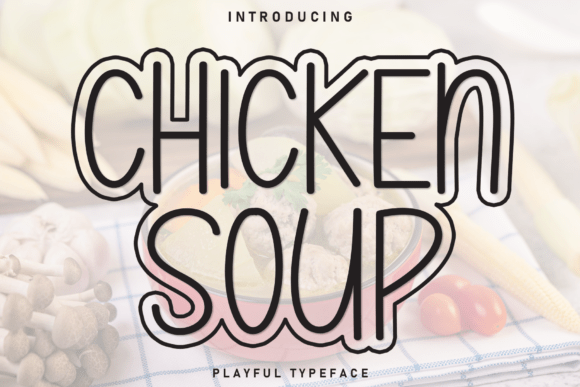
Sometimes, a design project needs more than just clean lines and perfect geometry. It needs a human touch—a sense of warmth, personality, and authenticity that makes an audience feel connected. This is where the right typeface can make all the difference. If you've been searching for a creative font that feels both personal and polished, you may have just found your perfect match. Chicken Soup is a masterfully constructed handwritten display font that breathes a vivacious spirit into artistic endeavors, offering a unique blend of charm and versatility for a wide range of applications.
The Heart of the Font: A Blend of Warmth and Style
What immediately sets this premium font apart is its soft, warm undertones. It’s not a rough, casual scrawl, nor is it an overly formal script. Instead, it strikes a beautiful balance, making it a top choice for projects that aim for a chic, approachable aesthetic. The letterforms have a gentle flow and a subtle bounce, creating a rhythm that feels both joyful and sincere. This character makes it an excellent candidate for fanciful wedding invitations, sentimental greeting cards, and any design platform seeking a sprinkle of enchantment. The pleasure it radiates infuses projects with liveliness, transforming them from simple graphics into tangible journeys of sentiment.
From a design perspective, this typeface is a valuable asset. Its construction is thoughtful, ensuring that while it feels spontaneous and handcrafted, it maintains a high degree of legibility. This is crucial for any modern typography project. You get the charm of a script font without sacrificing the clarity needed for effective communication. It’s a font that understands its role: to add personality without creating confusion.
Practical Magic: Where to Use This Handwritten Font
The true test of a creative font is its adaptability. Chicken Soup isn't just for one niche; its versatile nature allows it to shine across numerous design contexts, from digital to print. Its ability to add a personal touch can elevate the presentation and emotional resonance of your work.
Consider its application in brand identity. For small businesses, solopreneurs, and creators, a handwritten font can be a powerful tool for building a recognizable and relatable brand. It can be used in a logo design to convey approachability and artisanship, or in packaging design to suggest a product made with care and attention. Think of a boutique bakery, a handmade candle company, or a local florist—this font helps tell their story visually before a customer even reads a word.
Beyond branding, its uses are extensive:
- Marketing & Social Media: Create eye-catching social media graphics, engaging quotes, and promotional banners that stand out in a crowded feed. It’s perfect for Instagram stories, Pinterest pins, and Facebook ads that need a personal, authentic voice.
- Print & Editorial: Use it for headlines in editorial layouts, posters, or flyers to draw the reader's eye. It’s also ideal for creating beautiful invitations, thank-you cards, and stationery sets.
- Web & Digital Products: Apply it to website headers, blog post titles, or digital product covers to inject personality. It works wonderfully for ebook covers, online course branding, and downloadable planners.
- Merchandise: Design unique t-shirt graphics, tote bags, or mugs that feel custom and heartfelt.
Pairing and Professionalism: Making It Work
While a display font like Chicken Soup is a star player, it rarely works best alone. The key to professional presentation is learning how to pair it effectively. A general rule of thumb for modern typography is to contrast styles. Pair this expressive handwritten font with a clean, simple sans-serif font for body text. This creates a visual hierarchy that guides the viewer’s eye, ensuring your message is both beautiful and readable.
For example, use Chicken Soup for a bold headline or a call-to-action, and pair it with a neutral sans serif like Montserrat or Open Sans for supporting paragraphs. This contrast prevents the design from feeling overwhelming and maintains a clean, organized layout. Always test your font pairings in context. How do they look on a mobile screen? Is the body text still easy to read when placed next to the more decorative headline? Reviewing the included font styles—such as regular, bold, or italic versions—can also give you more flexibility in your designs.
Another practical consideration is licensing. If you're using this typeface for commercial projects—like client work, merchandise for sale, or paid digital products—ensure you have the correct commercial font license. Reputable font marketplaces provide clear licensing terms, so you can use your design assets with confidence and avoid legal issues down the line.
Breaking Free from Typographical Bounds
Ultimately, typography is a form of visual expression. It sets the tone, evokes emotion, and communicates brand values in an instant. Choosing a font like Chicken Soup is a deliberate decision to break free from the traditional, often sterile, bounds of standard typefaces. It’s an invitation to allow a charming, characterful font to subtly steer your imagination towards a more gripping and joyous form of expression.
Whether you're a designer crafting a new brand identity, a marketer building an engaging campaign, or a hobbyist creating something special for a loved one, this typeface offers a tangible way to infuse your work with warmth and authenticity. It reminds us that behind every great design is a human story, and sometimes, the best way to tell that story is with a font that feels genuinely human.