Junky Style: Capturing Urban Energy in Your Designs
There's a certain energy you see on the streets that can't be faked. It's the hurried scrawl of a marker on a sticker, the bold drip of paint from a freshly used can, the raw, unapologetic lettering that says, "I was here." For designers and brand builders, capturing that authentic urban pulse is a powerful tool. It’s about communicating rebellion, creativity, and a connection to a culture that thrives on individuality. This is where a typeface like Junky Style comes in, offering a direct conduit to that street-level authenticity for your commercial and creative projects.
More Than Just a Handwritten Font
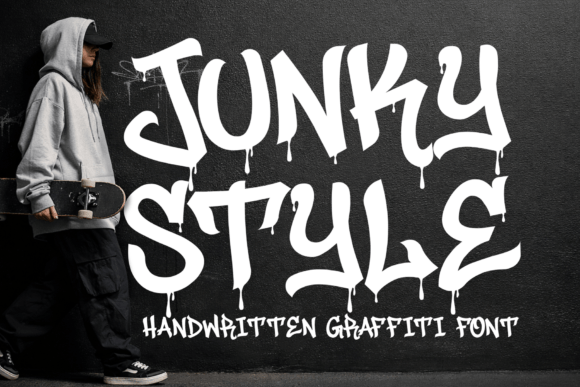
At first glance, Junky Style is a handwritten display font, but that description only scratches the surface. What sets it apart is its visceral execution. The typeface features thick, aggressive strokes that feel like they were laid down with a chisel-tip marker in a single, confident motion. The authentic paint-drip terminals aren't an afterthought; they're an integral part of its character, mimicking the look of ink or paint pooling at the end of a letterform. This isn't a clean, whimsical script. It's a premium font with a high-contrast weight and a rhythmic, chaotic flow that feels alive. The visual appeal lies in its imperfection—it’s designed to look human-made, immediate, and full of attitude.
This makes it a distinct category from more traditional design assets. While a classic serif font communicates heritage and a clean sans serif font suggests modernity, Junky Style communicates a specific vibe: urban, rebellious, and street-culture savvy. It’s a creative font built for impact, not for body text. Its strength is in headlines, logos, and any application where you need to grab attention instantly and communicate a specific cultural affiliation.
Where This Typeface Truly Shines: Practical Applications
Understanding the personality of a font is one thing; knowing how to deploy it effectively is another. Junky Style is a versatile tool for projects that need to feel grounded in street culture. Here’s how you can put its raw energy to work.
- Streetwear & Brand Identity: This is its native habitat. Use Junky Style for your logo design to establish immediate credibility with an audience that values authenticity. It’s perfect for clothing labels, skate brands, and urban footwear companies. The typeface becomes a core part of your visual identity, making your brand recognizable from a distance.
- Event & Music Graphics: Creating posters for an underground music festival, a local gig, or a skate competition? Junky Style delivers the necessary high-impact energy. Its chaotic flow mirrors the dynamic nature of live events, ensuring your promotional materials stand out on a cluttered bulletin board or a busy social media feed.
- Social Media & Digital Content: In the fast-scroll world of Instagram, TikTok, or YouTube, you have a split second to make an impression. Use this font for bold social media headers, impactful quote graphics, or video thumbnails. It adds a layer of gritty texture that can make a digital feed feel more tangible and real.
- Packaging & Merchandise: Think beyond the logo. Apply Junky Style to product packaging for limited-edition releases, sticker sheets, or merchandise like tote bags and hats. The font’s marker-like quality translates exceptionally well to physical products, especially when printed with techniques that allow for a bit of texture.
- Editorial & Web Design: For blogs, magazines, or websites focused on street art, urban fashion, or extreme sports, Junky Style can serve as a powerful accent font. Use it for pull quotes, section headings, or article titles to break up the monotony of standard body copy and inject personality into your layout.
Integrating Junky Style into Your Design Workflow
Adopting a new typeface into your toolkit requires more than just installation. To use Junky Style effectively and maintain a professional presentation, consider these practical steps.
First, review all the included font styles and glyphs. A well-designed font family often includes alternates, ligatures, or stylistic sets that can add variety. Maybe there’s a different version of the letter ‘a’ or ‘g’ that better suits your wordmark. Exploring these options prevents your designs from looking repetitive and shows a deeper understanding of the tool.
Second, master the art of font pairing. Junky Style is a display font with a loud personality. Pairing it with another expressive font would create visual chaos. The key is balance. For readability in body copy, pair it with a neutral, highly legible sans serif font or even a clean serif font for a more editorial contrast. For example, a headline in Junky Style followed by a paragraph in a font like Open Sans or Lora creates a clear hierarchy that guides the viewer’s eye. The handwritten font grabs attention, while the companion font delivers the detailed information.
Third, always prioritize readability. Its greatest strength—aggressive, drippy strokes—can become a weakness if overused or set at too small a size. Junky Style is meant for short bursts of text: a brand name, a three-word slogan, a title. Avoid using it for paragraphs, instructions, or any text where clarity is paramount. Test your designs at the intended size and from a distance to ensure the message is clear.
Finally, consider commercial licensing. If you're using Junky Style for a client project, merchandise for sale, or a monetized platform, ensure you have the correct commercial font license. This is a non-negotiable part of professional practice. A premium font like this is an investment in your design assets, and respecting the licensing agreement protects both you and the type designer.
Aligning Typography with Your Brand's Soul
Choosing a typeface is a strategic branding decision. The fonts you use are silent ambassadors for your brand’s personality. Ask yourself: does the raw, rebellious spirit of Junky Style align with your core audience and your brand’s story? If you’re building a community around underground music, DIY culture, or urban sports, then this typeface speaks their language fluently. It can significantly improve brand recognition because it’s so distinctive; people will associate that specific lettering style with your brand.
However, if your brand’s identity is built on minimalism, luxury, or corporate professionalism, this font would create a disconnect. The goal is visual consistency. Every element, from your logo to your website headers to your social media graphics, should tell a cohesive story. Junky Style is a powerful character actor in your typographic cast—it’s not suited for every role, but when cast correctly, it steals the show.
In the end, great design is about communication. It’s about selecting the right tools to evoke a specific feeling and connect with a specific person. Junky Style isn’t just a collection of letters with paint drips; it’s a vessel for urban energy. By understanding its strengths, pairing it wisely, and applying it with intention, you can tag your designs with the unmistakable, authentic spirit of the streets.