Roasty: A Blackletter Typeface with a Modern Edge
There's a certain weight to blackletter fonts. They carry history, tradition, and an undeniable presence that stops you mid-scroll or makes you pause on a shelf. But that historical gravitas can sometimes feel stiff, outdated, or hard to work with in contemporary projects. What if you could capture that medieval strength without the stuffiness? Enter Roasty, a typeface that takes the bold, structured forms of Old English and sharpens them for today's creative landscape. It's not just a font; it's a statement piece designed for projects that demand attention and respect.
More Than Just a Throwback: The Roasty Aesthetic
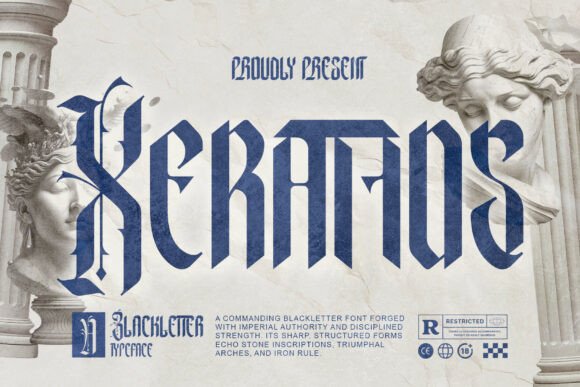
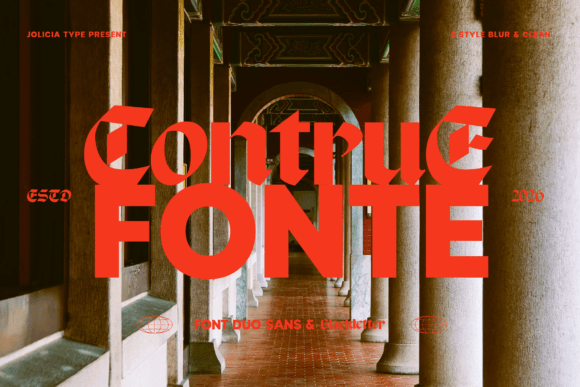
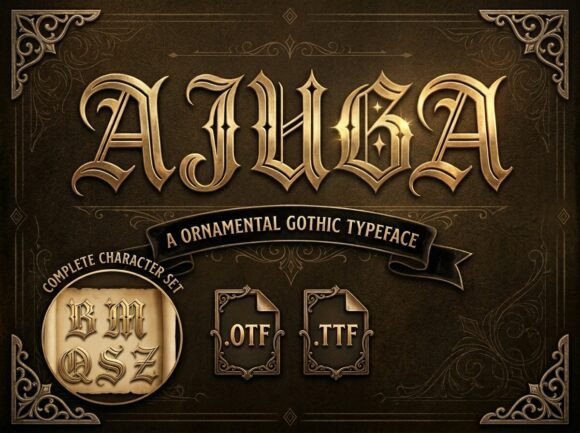
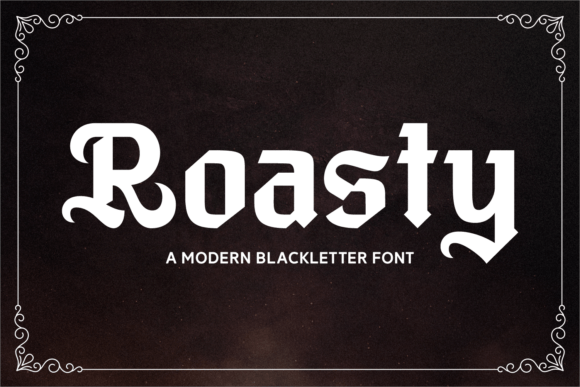
At first glance, Roasty's heritage is clear. Its thick, well-defined strokes and intricate angles are directly inspired by the blackletter scripts of medieval Europe. You see the echoes of ancient manuscripts and carved stone. However, Roasty isn't a historical replica. A contemporary edge is built into its DNA. The letterforms are refined, with careful attention to negative space and balance, ensuring they feel sharp and intentional rather than archaic. This blend creates a unique personality: it's authoritative yet approachable, traditional yet fresh. Each character is crafted to be visually striking, making it a powerful tool for headlines, logos, and any design where you need to make a bold visual statement without sacrificing clarity.
Where Roasty Truly Shines: Practical Applications
Understanding a font's style is one thing; knowing where to use it is where the real value lies. Roasty's versatility across different mediums is one of its greatest strengths. For brand identity and logo design, it can anchor a brand with a sense of heritage, craftsmanship, or edgy sophistication. Think of a craft brewery, a tattoo studio, a high-end barbershop, or a fashion label with a vintage vibe—Roasty gives them an instant, recognizable voice.
Beyond logos, this display font excels in packaging design. Imagine it on a coffee bag, a hot sauce bottle, or a craft spirits label. It communicates quality and bold flavor before the product is even tasted. For social media graphics, Roasty can cut through the noise. A single, well-placed headline in Roasty can stop the endless scroll, making it perfect for announcing events, promoting products, or creating impactful quotes for platforms like Instagram or Pinterest.
In the digital realm, it's a powerhouse for web design hero sections, blog post titles, and promotional banners. It’s a creative font that adds immense character to a website. For print, it’s equally at home on posters, event invitations, editorial layouts in magazines, and merchandise like t-shirts or hats. Even for digital products like e-books or course materials, using Roasty for chapter titles or section headers can significantly enhance the professional presentation and perceived value.
Building a Stronger Brand with Intentional Typography
Choosing a typeface like Roasty isn't just an aesthetic decision; it's a strategic one. Typography is a silent ambassador for your brand. The right typeface helps build visual consistency across all your touchpoints, from your website to your business cards to your social media. When your audience sees the same distinctive lettering repeatedly, it builds brand recognition. They start to associate that specific look with your business, your values, and your quality.
Roasty, with its memorable and bold character, is excellent for this. It helps create a cohesive brand identity that feels curated and professional. Furthermore, while blackletter fonts are often purely decorative, Roasty's design considers readability. Its clarity ensures that your message isn't lost in the style, which is crucial for audience engagement. A beautiful font that no one can read defeats the purpose. Roasty strikes that balance, allowing you to be expressive while still communicating effectively.
Making Roasty Work for You: Practical Tips
Integrating a strong blackletter font like Roasty into your projects requires a thoughtful approach. Here’s some practical advice to get the most out of it:
- Choose the Right Context: Roasty is a display font, meaning it's designed for impact at larger sizes. Use it for headlines, titles, logos, and short bursts of text. It’s not suited for body copy or long paragraphs. Pair it with a clean, highly legible sans serif font or a simple serif font for body text to create a balanced and readable hierarchy.
- Test Your Font Pairings: Don't just guess. Experiment with different companion fonts. A geometric sans serif can create a cool, modern contrast. A traditional serif can lean into the historical feel. A script font or handwritten font might add a softer, personal touch. See how the weights and x-heights interact.
- Review the Included Styles: Check what comes with your font purchase. Does Roasty include alternates, ligatures, or different weights? These extras can give you more creative flexibility and help customize the look for your specific project.
- Mind the Licensing: If you're using Roasty for a commercial project—a client's logo, merchandise for sale, or marketing materials—ensure you have the correct commercial font license. This is a non-negotiable step for any professional or business use.
- Consider the Medium: How will it look on a small phone screen versus a large poster? Test it at various sizes to ensure it remains impactful and legible across all intended applications, from web design to print materials.
Roasty is more than just a set of letters; it's a versatile design asset. It offers a way to inject tradition, strength, and a sharp contemporary flair into your creative work. Whether you're crafting a brand from scratch, designing a one-off poster, or looking for that perfect headline font for your next campaign, it provides a distinctive voice that can help your projects stand out and connect with your audience on a deeper level. The key is to use it intentionally, pairing its bold personality with thoughtful design to create something truly memorable.