Thick Lover Duo: A Playful Font Pairing for Joyful Designs
There’s a particular kind of design challenge that calls for warmth over formality, personality over precision. You know the project—it might be a boutique bakery’s logo, a children’s book cover, a set of inspirational stickers, or social media graphics for a handmade jewelry brand. The goal isn’t just to convey information; it’s to evoke a feeling. For these moments, you need typography that doesn’t just sit on the page but practically dances across it, bringing a sense of handcrafted affection and immediate charm. This is exactly the space where a thoughtfully crafted font duo can become your most valuable creative asset.
Understanding the Heart of the Typeface
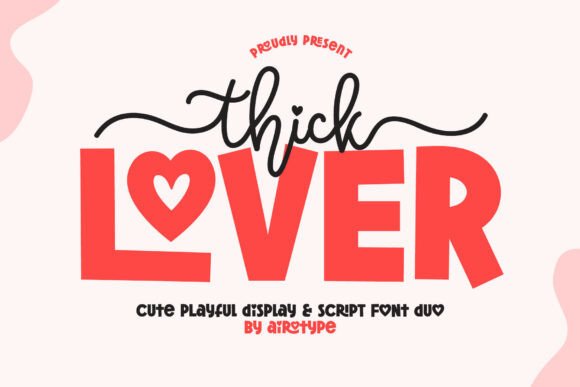
At its core, the Thick Lover Duo is more than just two fonts; it's a coordinated conversation between two distinct voices designed to work in perfect harmony. The set includes a bold, chunky display face and a whimsical, flowing script. The display font is all about impact. Its letters are substantial, with soft, rounded edges that feel friendly and approachable rather than heavy or aggressive. This makes it ideal for headlines, logos, and any element that needs to grab attention without shouting.
The true magic, however, lies in its details. Look closely at the letterforms, and you'll notice playful, integrated design elements—like heart shapes cleverly woven into the "O"s. These small touches add a layer of delightful surprise that resonates emotionally, especially in contexts centered around love, celebration, and childhood wonder. Paired with the script companion, which features a bouncy, hand-lettered rhythm, you get a complete system. The script adds movement, softness, and a personal touch, perfect for secondary text, quotes, or delicate accents.
From Concept to Concrete: Practical Applications
So, how does this translate to your real-world projects? The versatility of a well-designed premium font like this lies in its ability to adapt to various mediums while maintaining a consistent brand voice. Consider its use across these common creative and commercial scenarios:
- Branding & Logo Design: For a small business aiming for a "cute" or artisanal aesthetic—think a cupcake shop, a floral studio, or a baby clothing line—the display font can form the backbone of a memorable logo. The script can then be used for taglines or product names on packaging, creating a cohesive and recognizable brand identity.
- Packaging & Merchandise: On physical products, personality sells. Use the bold style for the product name on a jam jar label, a t-shirt design, or a sticker sheet. The script can list ingredients or a heartfelt message. The integrated hearts in the "O"s make it particularly suited for Valentine's Day merchandise, anniversary gifts, or any product meant to express affection.
- Digital Presence: In the realm of web design and social media graphics, this display font can make blog headers and Instagram post titles pop. Its high-energy aesthetic is perfect for creating eye-catching Pinterest pins, YouTube thumbnails, or Facebook event covers that stand out in a crowded feed. For a cohesive look, pair the Thick Lover elements with a clean, simple sans serif font for body text to ensure readability.
- Print & Editorial: Don't limit it to digital. This typeface set shines in print materials like event invitations, greeting cards, poster designs, and magazine layouts for lifestyle or family-oriented publications. It injects a dose of joy and informality that can make editorial content feel more accessible and engaging.
Making It Work: Practical Design Advice
Adopting a creative font with this much character requires a bit of strategy to maximize its impact without overwhelming your design. Here are some practical tips for integrating it effectively:
- Purpose-Driven Style Selection: Always start with your project's goal. Is the primary objective to be bold and attention-grabbing? Lead with the Thick Lover display font. Is the goal to be gentle and personal? Let the script take center stage, using the display font sparingly for key emphasis. Matching the typography's mood to your message is fundamental to good visual communication.
- The Art of Pairing: While the duo works beautifully together, you'll often need a third font for body copy. Avoid pairing it with another highly decorative handwritten font or an overly ornate serif font, as this can create visual chaos. Instead, opt for a neutral, highly readable typeface—a simple sans serif or a clean, modern serif—to provide a visual resting place and ensure your longer text remains legible.
- Testing for Readability: This is crucial. A font that looks charming at a large size in a logo might become difficult to decipher when used for a paragraph of small text. Always test your chosen styles at the intended size and on the intended medium (screen vs. print). The script, in particular, is best used for short bursts of text where its personality can shine without sacrificing clarity.
- Explore the Glyphs: A significant advantage of a PUA-encoded font is access to a full suite of alternates, swashes, and special characters. Don't just settle for the default letters. In applications like Adobe Illustrator or Photoshop, explore the Glyphs panel to find alternate letterforms and decorative swirls. Using these can add a custom, hand-lettered feel to your designs and help avoid repetitive letter shapes, making your typography feel truly unique.
Building Recognition with Consistent Character
In a crowded marketplace, consistency is what builds trust and recognition. When you use a distinctive yet versatile font collection like this across multiple touchpoints—from your website's header to your product tags to your email newsletters—you create a subtle but powerful thread that ties your entire brand experience together. Your audience begins to associate that playful, affectionate typographic voice with your business, making you more memorable.
Moreover, fonts with strong personality can significantly boost audience engagement. A design that feels joyful, handmade, and full of life is more likely to elicit an emotional response than one that is sterile or generic. This emotional connection is the currency of modern marketing, turning passive viewers into engaged followers and customers.
Ultimately, choosing a commercial font is an investment in your project's emotional resonance and professional polish. The right typeface doesn't just display words; it communicates tone, values, and quality. For projects that aim to spread a little love and a lot of charm, having a toolkit like the Thick Lover Duo at your disposal means you're always ready to create something that doesn't just look good, but feels right.