Thick Outline: The Bold Typeface for Impactful Branding
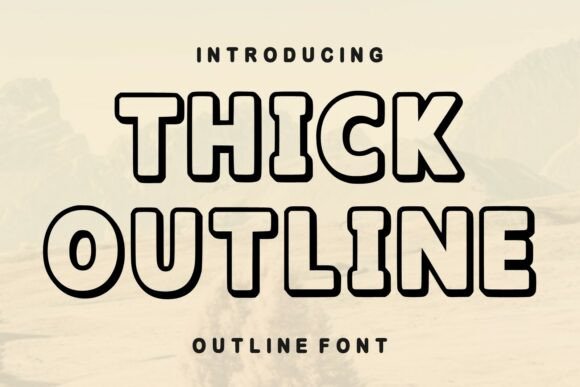
Every brand has a voice, but not every brand has a visual shout that cuts through the noise. If you've ever scrolled past a forgettable logo or struggled to make a social media post stand out, the problem often lies in the typography. Enter Thick Outline, a modern display font that doesn't just sit on the page—it demands attention. This isn't your typical corporate typeface; it's a statement piece, designed with thick strokes and rounded edges that balance playful energy with undeniable presence. Whether you are refreshing a startup identity or designing a merchandise line, understanding how to wield a bold font like this is the key to unlocking better engagement.
Why "Thick" Matters in Visual Communication
In the world of design assets, weight carries meaning. A lightweight, thin script font might whisper elegance, but a Thick Outline font shouts confidence. The psychology here is simple: thicker lines occupy more visual real estate. In a crowded marketplace—whether that is a busy high street or a saturated Instagram feed—your typography needs to be legible at a glance.
The specific construction of this typeface is what makes it a versatile premium font. By utilizing an outline style rather than a solid block of color, it maintains a sense of airiness. It feels heavy but not suffocating. This unique characteristic allows it to work beautifully on dark backgrounds where a solid black font might disappear, or on busy photographic backgrounds where a solid font might create too much visual clutter. It provides the punch of a sans serif font while maintaining a softer, more approachable personality thanks to those clean, rounded edges.
Transforming Brand Identity and Logo Design
For small business owners and entrepreneurs, the logo is often the most stressful design element to get right. It needs to be timeless yet trendy, simple yet distinct. Logo design relies heavily on the typeface chosen because the font carries the brand's personality.
If your brand identity leans toward youthfulness, creativity, or bold innovation, a display font like Thick Outline is an excellent candidate. Consider a children’s clothing brand, a streetwear label, or a modern coffee shop. Using this font for the wordmark instantly communicates that the brand is approachable and fun, yet serious about quality. Because the strokes are thick, the logo remains recognizable even when scaled down for a social media profile picture or a favicon. This scalability is a crucial component of professional brand identity work.
Practical Application in Packaging and Merchandise
Moving beyond the logo, packaging design is where a font like this truly shines. On a shelf, products have about three seconds to catch a consumer's eye. Thick, bold typography ensures your product name is readable from a distance.
Imagine a line of artisanal hot sauces or organic granola. Using a script font might look pretty, but if the customer can't read the flavor from five feet away, you’ve lost a sale. Thick Outline provides the necessary legibility without looking sterile. Furthermore, in the world of merchandise—think tote bags, mugs, and t-shirts—this font style is ideal. It mimics the look of screen printing and embroidery perfectly. The "outline" nature allows the color of the garment to show through the letters, integrating the text with the product itself rather than just stamping a block of ink on top.
Dominating the Digital Landscape: Social Media and Web
In web design and social media graphics, the competition for attention is fierce. Users scroll quickly, and text-heavy posts are often ignored. This is where the "stop-the-scroll" power of a bold typeface comes into play.
Using Thick Outline for headers on your website or as the primary text in Instagram Stories can significantly boost readability. It works exceptionally well for "Shop Now" buttons, sale announcements, or quote graphics. When paired correctly, it creates a hierarchy that guides the viewer's eye exactly where you want it.
Font pairing is critical here, however. Because Thick Outline is so loud and characterful, it shouldn't be used for body text. Reading long paragraphs in a thick outline font causes eye strain. Instead, pair it with a neutral, highly legible body font—perhaps a clean geometric sans serif font for a modern look, or a classic serif font for a high-contrast editorial vibe. This contrast allows the headlines to pop while keeping the message clear.
Editorial Design and Marketing Collateral
Don't overlook the power of bold typography in print. For editorial design, such as magazine covers, flyers, or event posters, Thick Outline offers a solution to the age-old problem of text overlapping images.
If you are designing a poster for a music festival or a local market, you often have to place text over a photo. A solid, heavy font can obscure the image entirely. An outline font, however, allows the background image to be visible through the letters. This creates a sophisticated, layered effect that looks expensive and professionally designed. It’s a technique often used in high-end marketing assets to create depth without sacrificing information.
Invitations and Digital Products
For crafters and those creating digital products like planners or party invitations, this font adds a celebratory flair. It is perfect for headers on birthday invitations or title pages for digital PDF planners. The rounded edges give it a friendly feel that suits celebratory events, while the weight ensures the event details are the first thing guests see.
Making the Right Choice: Licensing and Usability
When investing in design assets, practical considerations matter. One of the most important aspects of using a commercial font is understanding the license. If you are using this font for a client's logo or on products you intend to sell, you must ensure you have the appropriate commercial license. This protects both you and your client from legal issues down the road.
Additionally, review the specific styles included with the font family. Does it come with multiple weights? Does it include alternates or ligatures? These extra characters can add variety to your designs, allowing you to create a custom look rather than using the font exactly as downloaded.
Readability Considerations
Finally, always test your typography in context. A font that looks great on your 27-inch monitor might look like a blob of ink on a mobile phone screen. Because of the "outline" nature, you need to ensure there is enough contrast between the text color and the background. If the background is too busy, the outline may get lost.
Thick Outline is more than just a collection of vectors; it is a tool for visual impact. By understanding its strengths—its ability to command attention, its versatility across mediums, and its friendly yet bold personality—you can elevate your projects from amateur designs to professional visual communications. Whether you are building a brand from scratch or refreshing your social media aesthetic, choosing a font with this much character is a step toward making your work impossible to ignore.