Bersa Serif: The Elegant Edge for Modern Branding
There's a particular kind of visual tension that grabs attention without shouting. It's the balance between sharp precision and organic flow, between historical weight and contemporary minimalism. This is the space where Bersa Serif operates. It’s not just another serif font; it’s a typeface with a distinct personality that blends the authoritative structure of classical letterforms with the nuanced, almost calligraphic detail of a craftsman's pen. For designers and brand builders seeking a font that carries both heritage and modernity, it presents a compelling solution that goes beyond mere legibility to deliver genuine character.
A Study in Contrasts: Sharp Terminals and Subtle Strokes
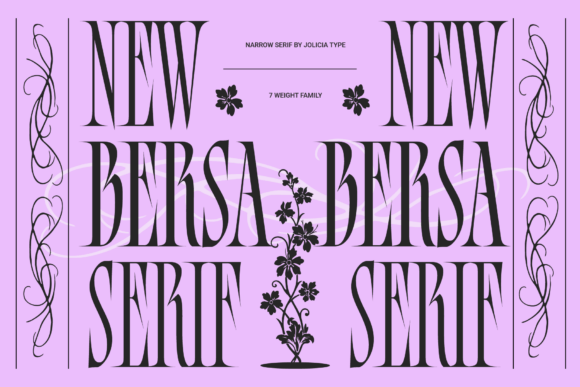
At first glance, Bersa Serif is defined by its narrow, condensed proportions. This isn't a font that wastes space. Each letter is engineered to occupy a slim vertical footprint, making it exceptionally efficient for layouts where real estate is premium—think dense editorial spreads, stacked packaging text, or impactful social media graphics where every pixel counts. But within this economical frame lies intricate detail. The terminals—those ends of the strokes—are not softly rounded but sharply pointed, giving each character a crisp, decisive finish. This sharpness is softened by the subtle influence of blackletter pen strokes, a nod to historical manuscript traditions. This isn't a heavy, gothic blackletter, but rather a whisper of its influence, adding a layer of handcrafted authenticity and preventing the typeface from feeling sterile or purely digital.
This blend creates a "delicate power." The overall impression is bold and elegant, yet it retains a refined subtlety. It’s a premium font that commands attention through its confident form and unique detailing, rather than through sheer size or ornamental flourish. For projects that need to convey a sense of curated quality—like boutique wine labels, artisanal cosmetics, or high-end stationery—this nuanced personality is invaluable.
Practical Applications: From Packaging to Digital Presence
The true test of any typeface is how it performs in the wild. Bersa Serif's 7-weight family, ranging from a delicate Thin to a robust Bold, offers a practical toolkit for a wide array of creative and commercial applications. Its versatility stems from this range, allowing you to build a complete visual hierarchy within a single font family, ensuring consistency across all brand touchpoints.
- Branding & Logo Design: The font's distinctive character makes it a strong candidate for logos and brand marks. A Bold weight can create a powerful, memorable logotype, while a Light or Regular weight can be used for supporting text, establishing a clear and elegant brand identity system. Its classic-modern blend suits brands that are rooted in tradition but looking forward.
- Packaging Design: This is where Bersa Serif truly shines. Imagine it on a botanical illustration for a skincare line, where the sharp terminals echo the precision of botanical drawings. Consider it on a wine label, where its condensed form allows for essential information to be presented elegantly, and its subtle blackletter hint adds a touch of old-world craftsmanship. For fragrance branding, it communicates sophistication and nuanced complexity.
- Editorial & Print Layouts: In magazines, lookbooks, or book covers, the font works beautifully for headlines and pull quotes. Pairing the heavier weights with the hairline versions can create a dynamic, high-fashion aesthetic reminiscent of "vogue" editorial design. Its space-efficient nature is a practical asset for fitting compelling headlines into tight columns.
- Digital & Web Design: As a display font, it’s ideal for website headers, hero sections, and key marketing copy where making an immediate visual impact is crucial. It pairs effectively with clean sans-serif fonts for body text, creating a readable and visually engaging hierarchy for blogs, landing pages, and online portfolios.
- Social Media & Marketing Assets: For Instagram graphics, Pinterest pins, or digital ads, a font that stands out in a crowded feed is essential. Bersa Serif’s unique silhouette helps posts grab attention, while its family of weights allows for quick creation of varied yet consistent templates for quotes, announcements, and promotional material.
- Invitations & Merchandise: From wedding invitations to event posters and branded merchandise like tote bags or mugs, the typeface lends a premium, crafted feel. It suggests the creator has invested thought into the aesthetic details, elevating the perceived value of the product or event.
Integrating Bersa Serif Into Your Design Workflow
Choosing a font is just the first step. Integrating it effectively requires a bit of strategy. Here’s how to leverage Bersa Serif for maximum impact:
Start with Your Goal. Are you aiming for timeless elegance, modern edginess, or handcrafted authenticity? Bersa Serif can lean into all of these depending on context. For a luxury brand, pair it with a neutral sans-serif and ample white space. For a vintage-inspired project, it can be combined with a complementary script font. The key is to let the font's personality support your project's narrative.
Test Font Pairings Relentlessly. A great typeface often works best in conversation with another. Try pairing Bersa Serif with a clean, geometric sans-serif like Montserrat or Poppins for body text. This contrast allows the serif's detailed personality to shine in headlines without sacrificing readability in longer paragraphs. Avoid pairing it with other highly decorative serif or script fonts, which can create visual clutter.
Respect Readability. While it's a display-oriented font, its narrow proportions require mindful use, especially at smaller sizes. The Thin and Light weights are stunning for large, impactful headlines but can lose clarity in body text or on low-resolution screens. For any text under 14pt, or for extensive reading, opt for the Regular or Medium weights. Always test your designs at the intended output size, whether on a mobile screen or a printed poster.
Explore the Weight Spectrum. Don’t just default to Bold. The family's strength lies in its range. Use the Thin weight for subtle, elegant captions. Use the Semi-Bold for sub-headings that need emphasis without competing with the main title. This nuanced use of weights is what separates sophisticated typographic design from simply picking a font.
Clarify Licensing. Before using any commercial font in a final project—especially for client work, merchandise, or digital products—always verify the license. Ensure the font license covers your intended use case, whether it's for a single client, multiple projects, or for embedding in a website or app. This professional diligence prevents legal issues and respects the work of the type designer.
Crafting a Cohesive Visual Language
Ultimately, typography is a tool for communication and connection. A well-chosen font like Bersa Serif does more than display words; it conveys tone, establishes mood, and builds recognition. Its blend of sharp geometry and calligraphic warmth offers a unique voice that can help a brand stand out in a sea of generic typefaces. By understanding its visual traits and applying it thoughtfully across your creative projects—from the first logo sketch to the final social media post—you can build a cohesive, professional, and engaging visual language that resonates with your audience and elevates your work. It’s about finding that perfect typeface that feels both familiar and fresh, and then using it with intention.