Minimally Serif: The Quiet Power of Elegant Simplicity
There’s a particular kind of design challenge that calls for a font that speaks without shouting. You need something that carries weight and sophistication, but doesn’t dominate the conversation. It should feel current, yet timeless; distinctive, yet utterly clear. This is the precise space where a typeface like Minimally Serif finds its purpose. It’s not about making the loudest statement, but about crafting the most resonant one.
A Typeface Built for Modern Aesthetics
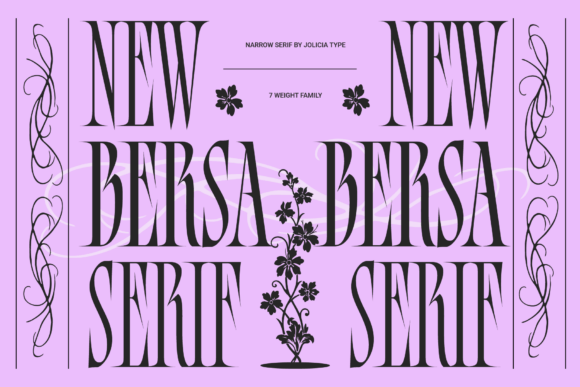
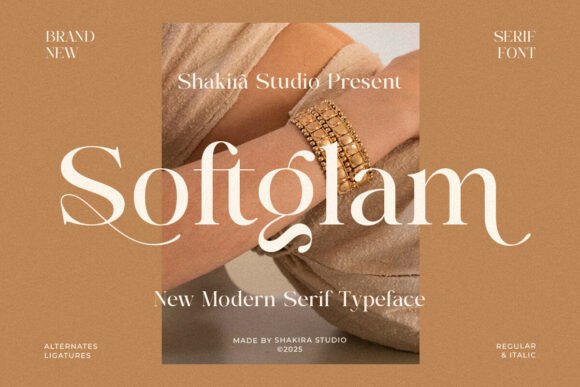
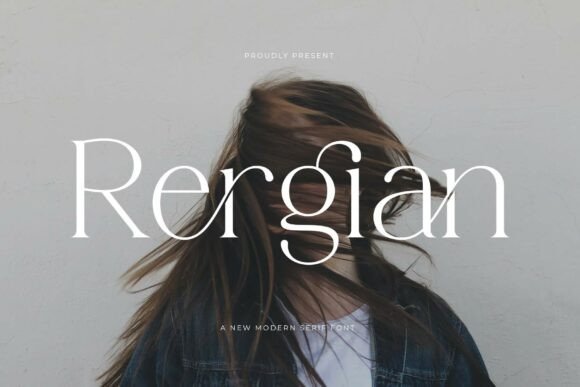
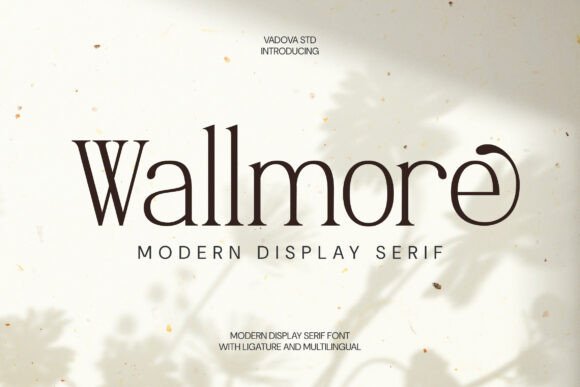
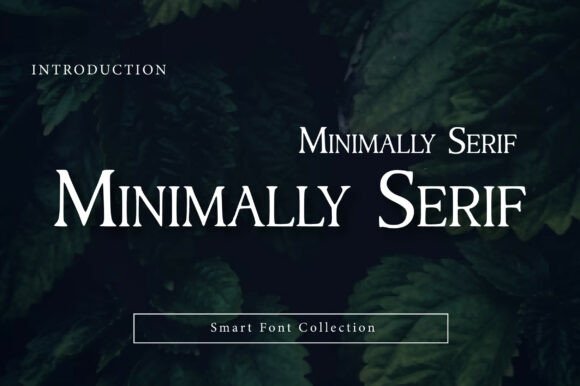
At its heart, Minimally Serif is a study in balance. It takes the classic, trusted structure of a serif font and refines it for a contemporary audience. You won’t find heavy, dramatic strokes or ornate, fussy details here. Instead, the design focuses on clean lines, subtle bracketing where the strokes meet the serifs, and carefully calibrated proportions. The result is a typeface that feels both approachable and elevated. It has the familiar comfort of a traditional serif, which aids readability, but with a minimalist edge that keeps it firmly planted in modern design sensibilities. This makes it a remarkably versatile premium font for a wide range of creative work.
Where Clean Typography Meets Real-World Projects
The true test of any creative font is how it performs in the wild. Minimally Serif’s understated elegance makes it a workhorse for projects that demand a professional and polished finish. Think about the last high-end magazine you flipped through or the branding of a luxury boutique hotel. The typography often does the heavy lifting of establishing credibility and style, and a font like this is built for that exact role.
For logo design, it offers a fantastic foundation. A wordmark set in Minimally Serif can convey heritage and trust for a law firm, artisanal quality for a gourmet food brand, or sophisticated simplicity for a fashion label. Its clarity ensures the brand name remains the hero, whether it’s embroidered on a towel, etched onto a glass door, or displayed on a website header.
In packaging design, especially for cosmetics, skincare, or specialty foods, the font’s refined character communicates quality at a glance. It helps a product stand out on a shelf by looking intentional and well-crafted, rather than cluttered. The same principle applies to editorial design—think book covers, chapter headings, and pull quotes in magazines or digital publications. It provides a rhythm and hierarchy that guides the reader’s eye effortlessly.
Building a Cohesive Brand Identity
One of the greatest strengths of using a versatile typeface like this is the ability to create seamless visual consistency across all your touchpoints. Imagine using Minimally Serif for your website headings, your Instagram story graphics, your email newsletter, and your printed business cards. This consistency is the bedrock of strong brand recognition. When your audience sees the same thoughtful typography everywhere, it builds trust and reinforces your brand’s personality without you having to say a word.
It’s also an excellent choice for social media graphics. Its readability holds up well at smaller sizes on screens, which is crucial for platforms like Instagram or Pinterest. Whether you’re creating quote cards, promotional announcements, or carousel posts, the font maintains its elegant composure, helping your content look professional and intentional in a fast-scrolling feed.
Practical Advice for Pairing and Application
Choosing the right font is only half the battle; using it effectively is what brings a design to life. Here are a few practical considerations when working with a serif font like Minimally Serif:
- Test Your Pairings: A serif font often sings when paired with a clean, neutral sans serif font for body text. Try pairing Minimally Serif with a geometric or humanist sans serif for headings and subheadings. The contrast creates visual interest and clear hierarchy. Avoid pairing it with another highly stylized serif or a busy script font, as they can compete for attention.
- Mind the Readability: While it’s designed for clarity, always test your chosen weight and size in context. For long-form body copy on a website or in a document, a slightly larger size and generous line spacing will enhance the reading experience. For display use in headlines or logos, you can explore its bolder weights for impact.
- Explore the Family: A good commercial font often comes with multiple styles—regular, italic, bold, and perhaps a light or semi-bold. Get to know the entire family. Using a light weight for captions and a bold weight for key phrases can add subtle sophistication to your layouts without introducing a new font.
- Understand the License: Before using any font for commercial projects, like client work, merchandise, or digital products you sell, ensure you have the correct license. Most reputable font foundries offer clear licensing options for different uses. This protects both you and the font designer.
Ultimately, the goal is to let the typography serve the project. Minimally Serif isn’t a font that demands center stage; it’s a collaborator that elevates the content it presents. Its strength lies in its quiet confidence, making it a valuable design asset for anyone looking to communicate with clarity, elegance, and a distinctly modern touch. Whether you’re crafting a brand identity, designing marketing assets, or laying out a blog, it provides a foundation of refined simplicity that lets your message shine through.