Mamaku: The Whimsical Script Font That Adds Heart to Your Designs
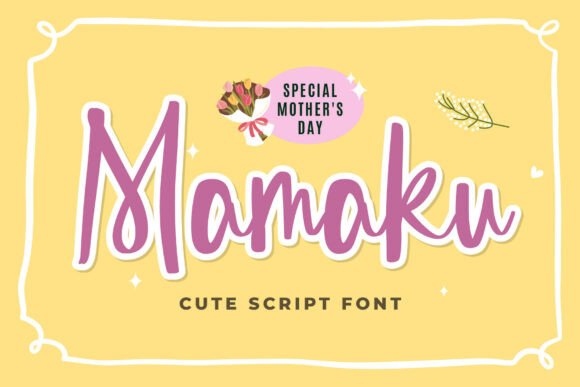
There's a certain magic in the way a hand-drawn curve can evoke warmth, nostalgia, and personal connection. Mamaku captures that magic effortlessly. This whimsical script font is designed for creators who want to infuse their projects with a genuine, handmade charm—think soft, bouncy letterforms that feel like they were sketched with care. Whether you're a small business owner crafting a brand identity, a designer working on social media graphics, or a hobbyist personalizing gifts, Mamaku offers a versatile tool that balances playful character with clean readability. Its gentle rhythm and friendly vibe make it particularly suited for projects where warmth and approachability matter most.
Why Mamaku Stands Out in a Crowded Font Market
Many script fonts lean heavily into either casual illegibility or overly formal flourishes. Mamaku finds a sweet spot. Its letterforms are soft and rounded, with a subtle bounce that gives text a lively, organic feel without sacrificing clarity. This makes it a practical choice for both digital and print applications. The font includes a full set of standard glyphs, numerals, punctuation, and symbols, ensuring you have everything you need for professional projects. Plus, with PUA encoding, accessing special characters is straightforward—you don't need advanced design software to make the most of its features.
For those working with multilingual audiences, Mamaku's language support is a significant advantage. It allows you to maintain a consistent visual tone across different versions of a project, whether you're creating bilingual packaging or designing social media content for an international community. The availability of OTF, TTF, and WOFF formats means it integrates smoothly into various workflows, from desktop publishing to web design and even mobile-friendly applications.
Practical Applications Across Creative Fields
Mamaku's versatility shines when you consider its real-world uses. For branding and logo design, it offers a distinctive yet approachable personality. A bakery could use it for its logo to convey homemade quality, while a boutique might pair it with a clean sans serif font for a balanced, modern look. In packaging design, its readability at smaller sizes makes it ideal for product labels, gift tags, or thank-you notes included with orders. The font's warmth can help small businesses stand out in competitive markets by adding a personal touch that resonates with customers.
On social media, where visual engagement is key, Mamaku helps create eye-catching quotes, Instagram stories, and promotional graphics. Its friendly appearance can increase audience interaction, especially in niches like lifestyle, parenting, or handmade crafts. For content creators and bloggers, using Mamaku for headings or pull quotes can break up long blocks of text, adding visual interest and guiding readers through articles. It pairs well with more neutral body fonts, creating a hierarchy that feels both professional and inviting.
In the realm of merchandise and stationery, Mamaku truly excels. Imagine it on custom t-shirts, mugs, tote bags, or nursery decor—the font's hand-drawn quality adds a bespoke feel that mass-produced items often lack. For invitations, greeting cards, or personalized journals, it brings a touch of elegance without being overly formal, making it perfect for occasions like weddings, baby showers, or holidays. Even in editorial design, such as magazine layouts or book covers, Mamaku can be used strategically for titles or subheadings to evoke emotion and draw readers in.
Enhancing Your Design Workflow with Mamaku
Choosing the right font is about more than just aesthetics; it's about aligning typography with your project's goals. Mamaku works best when you want to communicate warmth, creativity, and authenticity. However, like any script font, readability should be a priority. Test it at the sizes you plan to use—while it's designed for clarity, overly small text or complex backgrounds might reduce its effectiveness. Pairing Mamaku with a simple serif or sans serif font for body text can create a balanced, professional look. For example, combining it with a clean geometric sans serif for headlines and Mamaku for accent text can guide the viewer's eye without overwhelming them.
When incorporating Mamaku into a brand identity, consistency is key. Use it across multiple touchpoints—from your website headers to your email signatures—to reinforce recognition. If you're designing for commercial use, review the licensing terms to ensure they cover your intended applications, especially for merchandise or digital products. The font's included styles and character sets give you flexibility, so take time to explore what's available. Sometimes, a simple alternates set or swash can add just the right flourish to a logo or invitation.
Final Thoughts on Integrating Mamaku into Your Creative Toolkit
In a design landscape often dominated by sleek, impersonal fonts, Mamaku offers a refreshing alternative. It's not just about looking pretty—it's about creating connections. Whether you're designing for a client, building a brand, or simply crafting for fun, this font can help you communicate with heart. Its practical features, from multiple file formats to multi-language support, make it a reliable addition to any designer's library. As you experiment with Mamaku, remember that the best designs often come from understanding your audience and choosing tools that speak to them on a human level. Sometimes, a little whimsy is exactly what a project needs to stand out and be remembered.