Simple Winter: A Font That Marries Classic Elegance with Modern Grace
There’s a particular kind of design challenge that calls for a touch of timeless sophistication without feeling stuffy or outdated. You need a typeface that whispers luxury, feels personal, and carries a sense of heritage, yet still resonates with a contemporary audience. This is the precise space where the Simple Winter script font finds its purpose. It’s not just another decorative script; it’s a carefully crafted tool designed to bring a specific, elevated mood to your creative work, blending the fluidity of classic calligraphy with the clean, readable lines expected in modern design.
The Anatomy of an Elegant Script
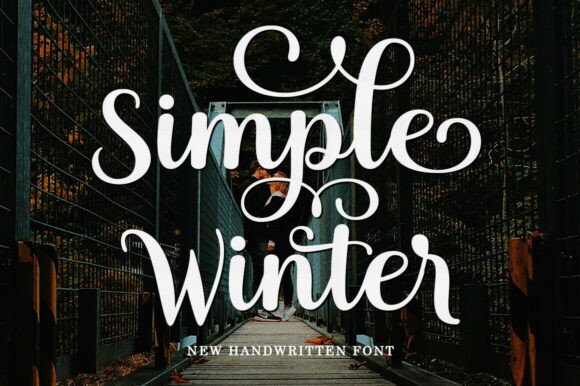
What makes a script font feel both classic and fresh? Often, it comes down to the details in its construction. Simple Winter is characterized by its beautiful character variation—meaning the letters aren’t uniform. This subtle diversity mimics the natural flow of hand-lettering, preventing the text from looking robotic or overly mechanical. The connections between letters are thoughtfully designed to be fancy yet functional, ensuring that the visual appeal doesn’t compromise legibility. This balance is crucial. A font can be gorgeous, but if your audience can’t easily read your brand name on a logo or the details on an invitation, its effectiveness is lost. Simple Winter manages to be visually appealing, clean, and distinctly feminine, making it a versatile player in a designer’s toolkit.
Where This Typeface Truly Shines: Practical Applications
Understanding a font’s personality is one thing; knowing where to deploy it is where strategy comes in. Simple Winter isn’t a workhorse body copy font. Instead, it’s a display font meant for headlines, logos, and accent text where its elegance can command attention. Its classic style makes it a natural fit for a range of formal and aspirational projects.
For branding and logo design, it offers an instant signature of refinement. Imagine it gracing the logo of a boutique hotel, a high-end skincare line, a bespoke jewelry brand, or a luxury wedding planner. It communicates quality and care before a customer even reads the tagline. In packaging design, particularly for cosmetics, gourmet foods, or artisanal goods, it can elevate the perceived value of the product on the shelf.
The applications extend beautifully into print and editorial work. Think of elegant wedding invitations, sophisticated restaurant menus, or eye-catching magazine headers. For greeting cards and stationery, it adds a personal, crafted touch. Digital creators can leverage it for stunning social media graphics—like quote cards, Instagram Story headers, or Pinterest pins—to create a cohesive and high-end aesthetic. Even in web design, used sparingly for key headings or call-to-action buttons, it can set a distinguished tone for a homepage or a landing page.
Integrating Simple Winter into Your Design Workflow
Choosing the right font is just the first step. Integrating it effectively requires a bit of strategy. Here’s how to think about using a premium font like this one to strengthen your visual communication:
- Match the Font to the Project Goal: Always start with the emotion or message you want to convey. Simple Winter excels at evoking elegance, romance, tradition, and luxury. If your project is about rugged adventure or cutting-edge technology, a sans serif font or a geometric display font might be more appropriate. But for projects where grace and sophistication are key, this script is a strong contender.
- Master the Art of Font Pairing: A script font should rarely stand alone for large blocks of text. The magic happens in pairing. For maximum readability and a balanced hierarchy, pair Simple Winter with a clean, neutral serif font (like Garamond or Lora) for body copy, or a simple sans serif (like Montserrat or Lato) for subheadings. This contrast allows the script to shine as a focal point while the supporting typeface ensures the overall design remains professional and legible.
- Consider the Context and Readability: Always test your font choices at the size they will be viewed. Simple Winter’s elegant connections are clear at larger sizes for logos and headers, but for very small text (like a detailed disclaimer on packaging), it may become difficult to read. In such cases, use it for the brand name and switch to a simpler typeface for the finer print.
- Explore the Included Font Styles: Many premium fonts come with more than one file. Check to see if Simple Winter includes alternative stylistic sets, swashes, or ligatures. These features can add even more customization and uniqueness to your designs, allowing you to create truly one-of-a-kind lettering for special projects.
Beyond Aesthetics: The Role in Brand Recognition
Typography is a silent ambassador for your brand. Consistent use of a distinctive typeface like Simple Winter across all touchpoints—from your website headers and social media posts to your business cards and product packaging—builds a powerful visual shorthand. Over time, your audience will begin to associate that specific, elegant script with your brand’s identity and values. This is the essence of building a brand identity; it’s about creating a cohesive and recognizable system. A well-chosen creative font contributes directly to professional presentation, which in turn fosters trust and credibility. It shows attention to detail and a commitment to quality, which can significantly enhance audience engagement.
Before you finalize any design, especially for commercial use, it’s imperative to review the font licensing. Ensure the license covers your intended use—whether it’s for a client’s logo, a product you sell, or a digital download. Most reputable font foundries make this clear, and adhering to these terms is a fundamental part of ethical and professional design practice.
In a landscape saturated with visual noise, choosing typography with intention can make all the difference. Simple Winter offers a specific voice: one of refined elegance and timeless appeal. Used thoughtfully, it becomes more than just letters on a page—it becomes a core component of a compelling visual story, helping to distinguish your work and connect with your audience on a more sophisticated level. The key is to deploy it with purpose, pair it wisely, and let its inherent grace do the talking.