Shelvia Montanila: Where Bold Clarity Meets Expressive Elegance
There’s a moment in every design project when you realize the fonts you’re using just aren’t working together. The headline feels flat, the body text looks generic, and the overall aesthetic lacks that cohesive spark you were aiming for. This is where a thoughtfully crafted font duo like Shelvia Montanila changes the game. It’s not just another typeface—it’s a carefully balanced pairing that solves one of design’s most common challenges: creating visual harmony between strength and personality.
Understanding the Font Duo’s Visual DNA
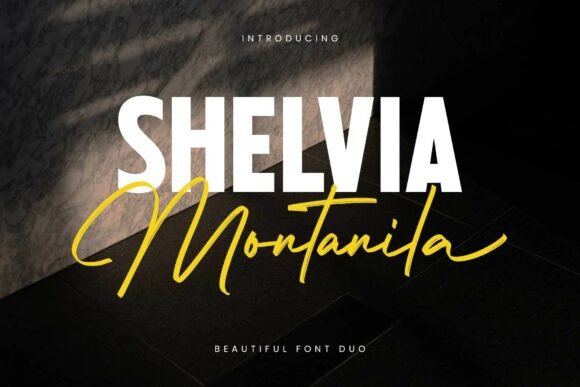
At its core, Shelvia Montanila combines two distinct typographic voices. The sans serif component is clean, modern, and unapologetically bold. It commands attention without shouting, making it perfect for headlines, subheadings, and any text that needs to anchor a design with confidence. Think of it as the reliable friend who always shows up prepared—structured, dependable, and clear.
The signature script, on the other hand, brings a completely different energy. It flows with a natural, handcrafted quality that feels personal and inviting. Each letter carries subtle variations that mimic real handwriting, adding warmth and sophistication to any layout. This isn’t a stiff, overly formal script—it’s expressive and fluid, designed to inject personality into your work without sacrificing readability.
What makes this pairing particularly effective is the contrast. The bold sans serif provides structure and clarity, while the script adds movement and emotional depth. Together, they create a visual rhythm that feels both contemporary and timeless—a rare combination in the world of typography.
Real-World Applications That Actually Work
Let’s talk about where Shelvia Montanila truly shines. If you’re building a brand identity, this font duo offers incredible versatility. The sans serif works beautifully for business names, taglines, and primary messaging, while the script elevates secondary elements like quotes, signatures, or accent phrases. Imagine a bakery logo where the business name appears in the clean sans serif, with “artisan baked goods” flowing elegantly beneath in the script. That’s the kind of balanced contrast that makes a brand feel polished and intentional.
For packaging design, this combination solves a practical problem. You need text that’s readable from a distance (the sans serif handles this perfectly) alongside elements that feel personal and artisanal (the script delivers here). Whether you’re designing coffee bags, candle labels, or skincare products, the interplay between these two styles creates packaging that stands out on crowded shelves.
Social media is another area where this font pairing excels. Instagram graphics, Pinterest pins, and Facebook ads all benefit from typography that’s both eye-catching and easy to read on small screens. Use the bold sans serif for your main message and the script for emphasis or call-to-action phrases. The result is content that stops the scroll without looking cluttered or overdesigned.
Elevating Your Design Projects with Intentional Typography
One of the most overlooked aspects of professional design is consistency. When your typography feels scattered—using too many unrelated fonts or styles—your work can look amateurish, even if every other element is well-executed. Shelvia Montanila addresses this by providing a built-in system for creating visual hierarchy. The two styles complement each other naturally, so you spend less time experimenting with font combinations and more time focusing on your actual design work.
This consistency extends across multiple platforms and mediums. Your website headers can match your printed materials. Your social media graphics can echo your product packaging. When your typography speaks the same visual language everywhere, it strengthens brand recognition and makes your business look more established and trustworthy.
Readability is another critical factor. The sans serif component is designed with modern screens in mind—letterforms are open and distinct, reducing eye strain during extended reading. The script, while decorative, maintains enough clarity to be used in short bursts without becoming illegible. This balance means you can use Shelvia Montanila across digital and print applications without worrying about accessibility issues.
Practical Tips for Getting the Most from This Font Duo
Before diving into a project, take time to explore all the included styles and alternates. Premium font packages often include multiple weights, stylistic alternates, and special characters that can dramatically change the look of your text. Experiment with these options in your design software to discover combinations that feel right for your specific project.
When pairing Shelvia Montanila with other fonts, consider the overall mood you’re creating. For a more corporate or minimalist aesthetic, lean heavily on the sans serif and use the script sparingly for accents. For projects that feel more personal or artisanal, give the script more prominence while using the sans serif for functional text like navigation menus or product descriptions.
Always test your typography at the actual size it will appear. A headline that looks stunning at 72 points might lose its impact when scaled down for a business card. Similarly, body text that seems perfectly readable on your desktop monitor might become challenging on a mobile screen. Print test pages, view designs on multiple devices, and ask for feedback from people outside your creative bubble.
Pay attention to spacing and alignment. The natural flow of the script might require slightly different kerning or line spacing than the sans serif. Small adjustments in these areas can make a significant difference in how polished your final design looks.
Licensing and Commercial Considerations
Before using any font in commercial projects, always verify the licensing terms. Most premium fonts like Shelvia Montanila come with clear commercial licenses, but the specifics can vary. Check whether the license covers your intended use—whether that’s client work, merchandise, digital products, or print-on-demand items. Some licenses are per-user, while others are per-project or unlimited. Understanding these details upfront prevents legal headaches down the road and ensures you’re using the font ethically and legally.
Keep your license documentation organized and accessible. If you’re working with a team, make sure everyone who needs access to the font understands the licensing terms. This professional approach protects your business and respects the work of the type designers who created these assets.
Why Thoughtful Font Pairing Matters More Than You Think
In a world saturated with visual content, typography often makes the difference between something that feels amateur and something that feels professional. Shelvia Montanila isn’t just about aesthetics—it’s about communication. The bold sans serif ensures your message gets across clearly, while the script adds the human touch that builds connection and trust.
Whether you’re designing a wedding invitation, creating marketing materials for a small business, or building a personal brand online, this font duo provides the tools to create work that looks intentional, polished, and authentically yours. The time you save by having a reliable font pairing already figured out is time you can invest in the creative work that actually matters—developing your ideas, serving your audience, and growing your projects with confidence.
Typography should work for you, not against you. When you find a combination that balances structure with personality, clarity with warmth, and modernity with timelessness, hold onto it. That’s exactly what makes Shelvia Montanila worth exploring for your next creative endeavor.