Storke: An Experimental Font for Authentic Design
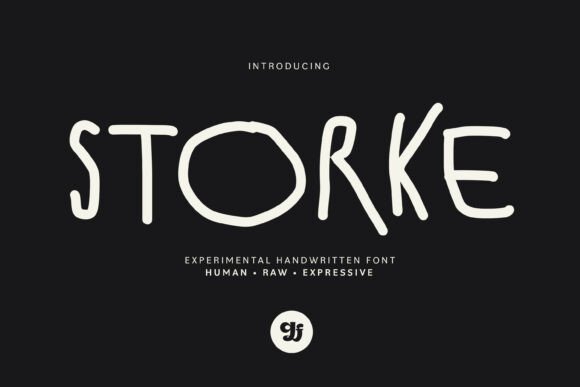
Every designer knows the feeling: you're deep into a project, the concept is solid, the colors are right, but the typography feels... sterile. It's technically correct, but it lacks a pulse. This is where a typeface like Storke enters the conversation. It's not another clean sans-serif or a predictable script. Storke is an experimental handwriting font that captures the raw, unfiltered energy of a hand moving across paper, built from actual strokes and the natural inconsistencies that come with them. It's a deliberate choice for projects that need to feel human, immediate, and unapologetically expressive.
Why Embrace Typographic Imperfection?
In a world saturated with polished, algorithm-perfect visuals, imperfection stands out. Storke leverages this by celebrating the organic. Its lines aren't perfectly smooth; they have a tactile quality, as if drawn with a thick marker or a brush pen that ran low on ink. This isn't a flaw—it's the feature. The spontaneous character of the letterforms injects a sense of authenticity and energy that sterile fonts can't replicate. For a brand, this can mean the difference between feeling corporate and feeling relatable. For a social media post, it can be the hook that stops a scroll. It communicates a willingness to break rules and connect on a more visceral level.
Practical Applications: Where Storke Truly Shines
Understanding a font's personality is one thing; knowing where to deploy it is another. Storke's bold, expressive nature makes it a specialized tool, not a universal one. It excels in contexts where impact and emotion are paramount.
- Branding & Logo Design: For brands that position themselves as edgy, artistic, youthful, or artisanal, Storke can form the core of a memorable wordmark or logo. It works exceptionally well for independent breweries, streetwear labels, music festivals, boutique studios, or any business that wants its identity to scream personality. Pair it with a simple, neutral sans-serif for body text to create a striking contrast.
- Packaging & Product Design: Imagine Storke on the label of a small-batch hot sauce, a craft coffee bag, or a handmade candle. Its handcrafted feel instantly communicates quality and care, elevating the product's perceived value. It tells a story before the customer even reads a single description.
- Posters, Album Covers & Editorial Layouts: This is where Storke can become a centerpiece. A concert poster, a magazine cover feature, or a book title set in Storke grabs attention with its dynamic energy. It's perfect for headlines and pull quotes in editorial design, adding a layer of visual interest and breaking up monotony.
- Social Media Graphics & Digital Content: In the fast-paced feed, a bold, handwritten header can make a quote graphic, announcement, or promotional post stand out. It adds a personal, human touch to digital communication, making content feel less like an ad and more like a note from a friend.
- Merchandise & Invitations: For event posters, wedding invitations with a modern twist, or branded merchandise like t-shirts and tote bags, Storke provides a distinctive look that feels custom-made. It carries the spirit of a limited edition.
Pairing Storke with Other Fonts: Creating Harmony
The key to using a high-impact display font like Storke effectively is balance. Its strength is in headlines, logos, and short bursts of text. For longer paragraphs, you need a reliable partner. A good rule of thumb is to pair its expressive personality with a calm, highly readable typeface.
- With a Clean Sans-Serif: This is the most foolproof combination. Fonts like Helvetica, Open Sans, or Montserrat provide a neutral, modern canvas that lets Storke's character pop without causing visual chaos. This pairing is excellent for websites, presentations, and marketing materials where clarity is essential.
- With a Simple Serif: For a slightly more sophisticated or classic feel, pair Storke with a straightforward serif font like Georgia or Lora. The contrast between the organic, modern strokes and the traditional serifs can create a unique and elegant tension, suitable for editorial layouts or upscale branding.
Always test your pairings in context. Set a mock-up of your actual project—a website header, a product label, a social media card—to see how the fonts interact at real-world sizes. Readability is non-negotiable; if the combination tires the eyes, simplify.
Making a Strategic Choice: Beyond Just Looking Cool
Choosing a font like Storke is a strategic decision that impacts your entire design system. Before you commit, consider these practical points to ensure it serves your project's goals.
Review the Full Character Set: A premium font is more than just A-Z. Explore Storke's full character map. Does it include numerals, punctuation, and common symbols? Are there stylistic alternates or ligatures? These details give you more creative flexibility and ensure you won't hit a dead end mid-project.
Licensing for Commercial Use: If your project is for a client, a business, or for sale (like merchandise or digital templates), you must ensure you have the correct commercial license. This is a critical, often overlooked step. Using a font without the proper license can lead to legal issues down the line. Always check the license agreement provided with the font file.
Define Its Role in Your Hierarchy: Decide exactly where Storke will be used. Is it solely for the primary logo? Will it be the headline font for all blog posts? Will it appear in pull quotes? Defining its role upfront prevents overuse, which can dilute its impact and make your design feel chaotic.
Storke is a powerful asset in the designer's toolkit, but it's a specialist. It's the font you reach for when you need to inject raw, human energy into a project. By using it intentionally and pairing it wisely, you can create designs that don't just communicate a message, but make your audience feel it. In the quest for authenticity, sometimes the most powerful tool is one that embraces the beautiful imperfection of the human hand.